台湾红烧牛肉面
简答红烧牛肉面是来自高雄一带的台湾料理,汤色来自酱油。先把500克牛肩肉煎香,爆香姜和香料,加入番茄酱、豆瓣酱和酱油,再加2公升水和红萝卜、白萝卜,慢炖60分钟,淋在面上就可以吃了。它也叫 hong shao niu rou mian,英文是 red braised beef noodle soup。
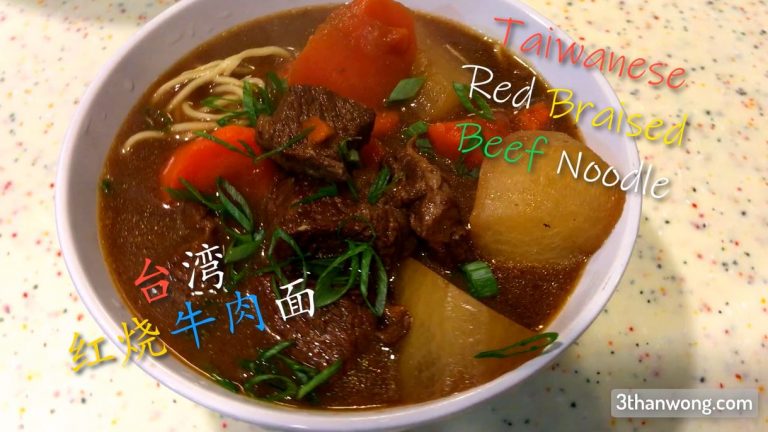
我在台湾当私人厨师的那段日子,真的超想吃台湾牛肉面。忍不住嘴馋,我决定自己动手,试着复刻这道台湾牛肉面!继续看台湾牛肉面食谱吧!
台湾牛肉面是哪一种牛肉面?
首先,全世界的牛肉汤面种类多得很。随便举几个,有越南河粉 Pho、香港牛腩面、番茄牛肉面,还有很多很多(我对牛肉面真的很着迷),而台湾版本就是红烧汤底。汤头是把牛肉块和一些番茄酱一起炒香后煮成的。
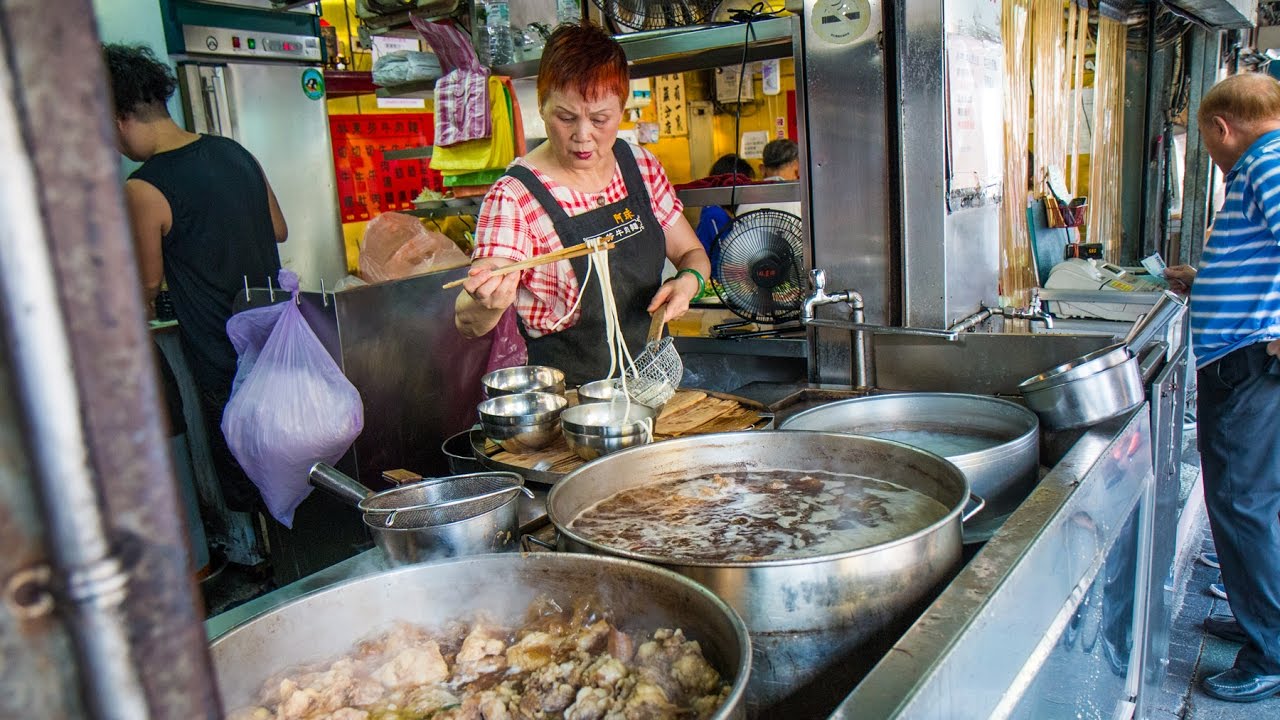
一碗好牛肉汤的关键是什么?
怎样才能煮出最好吃的牛肉面?当然是原材料,更重要的是牛肉本身的品质,汤好不好喝全看肉的品质。在台湾,当地牛肉的品质其实相当不错。如果你买不到台湾牛肉(我想他们的牛肉有出口到国外),别担心,我这份食谱用的是美国 USDA 牛肉,我觉得世界上很多国家的人都很容易买到。
最好吃的红烧牛肉面
「红烧」就是在煮汤的过程中加入酱油,而这种红烧牛肉汤面是在台湾发明的。我做了一些研究,想知道台湾牛肉面和其他牛肉面有什么不同?结果发现,除了用好品质的肉,他们还会在汤里加一点番茄酱,让汤色微微泛红,整体香气也更好!
为了找出最好的食谱,我还到处问台湾朋友,他们把家传食谱分享给我,我把这些全部整合成下面这份终极食谱!
作者有话说……
红烧牛肉面是在内战时期于高雄一带诞生的台湾料理。世界各地有各式各样的牛肉面,比较出名的有清汤牛肉面、牛腩面、越南河粉、红烧牛肉面、番茄牛肉面,我相信还有很多我还没吃过的版本。总之,这就是我版本的台湾红烧牛肉面!
来源 : 维基百科
食谱
台湾红烧牛肉面
红烧牛肉面是在内战时期于高雄一带诞生的台湾料理。世界各地有各式各样的牛肉面,比较出名的有清汤牛肉面、 牛腩面 、 越南河粉 Pho 、红烧牛肉面、番茄牛肉面,我相信还有很多我还没吃过的版本。总之,这就是我版本的台湾红烧牛肉面!
- 准备
- 15 分钟
- 烹煮
- 1 小时 30 分钟
- 总时间
- 1 小时 45 分钟
- 类别
- 主菜
- 菜系
- 中式
- 关键词
- 牛肉面, 牛肉汤面, 牛肉汤, 台湾牛肉面, 台湾牛肉汤面
材料
做法
把牛肉切块。
把红萝卜和白萝卜切成一口大小。
姜洗净,连皮大略切块。
汤锅下食油预热。
放入牛肉块,煎至焦黄。
转中火,放入切好的姜,炒至香。
加入肉桂、丁香、八角、月桂叶和五香粉,稍微翻炒。
加入番茄酱汁和豆瓣酱,彻底炒香。
加入酱油,然后转大火。
加水。
加入红萝卜和白萝卜。煮滚后转小火慢炖。慢炖[timer minutes=60] 60分钟[/timer]。
60分钟后,试一试汤的味道,再按个人口味用盐和糖调味。
看做法视频
小贴士
享用建议
- 配手拉面,撒上青葱花一起吃。(在家自己做面条)
每份营养
- 热量
- 506 kcal
- 碳水化合物
- 16 g
- 蛋白质
- 37 g
- 脂肪
- 34 g
- 饱和脂肪
- 10 g
- 胆固醇
- 115 mg
- 钠
- 1968 mg
- 膳食纤维
- 4 g
- 糖
- 9 g
仅供参考。
常见问题
「红烧」是什么意思?
红烧就是在煮汤的过程中加入酱油,汤色因此变成红褐色。
要用哪个部位的牛肉?
牛肩肉。美国 USDA 牛肉很适合,也容易买到。
Taucu 是什么?
就是发酵黄豆酱(豆酱)。这份食谱可以用豆瓣酱或 taucu。
要花多久时间?
大约1小时45分钟,其中90分钟是在炖。
喜欢我的分享?买一包我创办的零食品牌 Truly Gourmet 支持我。 去 Truly Gourmet 选购 →
更多食谱
6 则留言
Charles Lim · 2018年10月20日
Hi Ethan.
Just watched the video on the Taiwan beef noodles…its awesome! It’s one of my comfort food and will definitely going to try it. Looking forward to more awesome recipes from you.
Regards
Charles Lim
Ethan WongEthan · 2018年10月20日
Hi Charles!
I am glad that i like it! Beef noodles has always been one of my go-to-comfort food! ?
Trinar · 2018年11月17日
Hey Ethan,
Thanks sooo much for this recipe, it’s such a lovely comfort dish! I tried it out and am soo happy with how it turned out!
I’m looking forward to learning more of these traditional recipes that remind me of my grandma !! ?
Ethan WongEthan · 2018年11月19日
I am happy that you like it! Yes it is one of my comfort food too! Love it!
Ed McCord · 2022年3月21日
This entry seems to follow trends toward the romanticizing ethnic food by emphasizing the quality of the ingredients, with the observation that “the quality of the soup all depends on the quality of the meat.” The quality of beef in Taiwan when this dish became popular was not in fact very good (think beef from water-buffalo that outlived their usefulness as plow animals). Indeed, red-cooked beef noodles owed its popularity, as an inexpensive and filling meal for common people, to the way in which it could transform low quality or lesser cuts of beef into a tender and tasty meal. (Something that is true of beet stews the world over). Even so many people saved money by asking for red-cooked beef noodle “soup”–which used the broth without any actual beef added–and still very good. The secret to good “hongshao niurou mian” is the spices for flavor and the long braising to make the beef tender. The other significant feature of these noodles as I recall then was that they were “hot” (peppery). This recipe seems to have been altered (to suit Western tastes?) by removing the heat. This heat should come from “hot bean paste (ladoubanjiang)” (not in place of but in addition to regular black bean paste). This should be substituted for the tomato sauce in this recipe–which seems an odd non-traditional addition. But the main point again is that wonderful results do not require top quality beef.
Ethan WongEthan · 2022年4月23日
Hey Ed, yes, I agree that this noodle dish actually tasted good even without the beef itself.
Regarding the “hot” (peppery) that you’ve mentioned, not all shops/stalls in Taiwan make their soup “hot”.
In fact, I’ve been to many hung shao niu rou mian shops in Taipei (I was in Taipei for over a year as a personal chef, spend my time there trying lots of local delicacies), and I tasted more tomato paste than douban jiang.
Some heavier with spices, some more with douban jiang.
In general, from my observation, most shops have chili sauces for you to add yourself, which I think is logical as everyone’s preferences/tolerance towards “hot” differs.
anyway, great input, hope more readers like you participate in the comment section.