Types of Fish: Fatty, Semi-Fatty and Lean
Quick answerFish are grouped by where they live, saltwater or freshwater, and by how much fat they carry: fatty fish (over 10% fat, such as salmon, mackerel and sardines), semi-fatty fish (5-10%) and lean fish (under 5%). Fatty fish are the best source of omega-3. Fatty fish are also called oily fish.

Saltwater Fish & Freshwater Fish
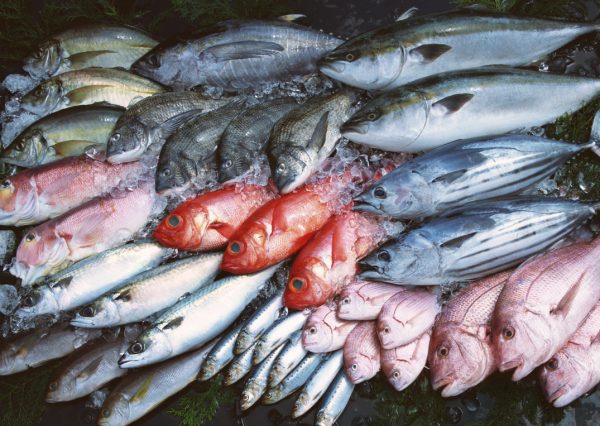
Fish as we know it, is an excellent source of protein and fatty fish like tuna, salmon, mackerel, herring, sardines, and trout are a good source of omega-3 fatty acids, beneficial to the heart! Most of the fish species are saltwater, the rest are freshwater. They can be categorized into 3 groups;
- fatty fish (10% fats)
- semi fatty fish (5% – 10% fats)
- lean fish (less than 5% fats)
The only concern of consuming fish is the toxicity, such as mercury, polychlorinated biphenyl (PCB), and dichlorodiphenyltrichloroethane (DDT). As a general guideline, avoid consuming fishes that live in polluted water or are farm breeds with a poor Recirculating Aquaculture System (RAS), which is the water filtration system for Aquaculture.
Wild Caught or Farm-Raised?
Definitely wild-caught if they are available in your local wet market, why? Grown in nature, natural food, plenty of room for their growth, and least chances of contamination. Furthermore, a wild-caught fish will taste absolutely amazing and the flesh texture is nothing you can have with a farm-raised fish. (Learn how to cook fish here)
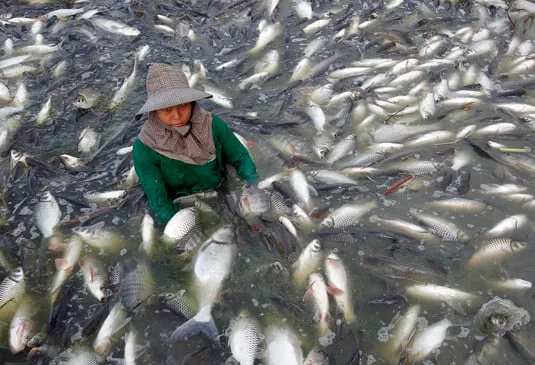
Why not farm-raised fish? Imagine all the fish cramped into small space, growing up in their own feces (assuming that the farm water quality management is poorly managed), which causes ammonia poisoning to the fish that would cause numerous complications to the fish health. Most importantly, commercial fish feed for the fishes. Think logically, most businesses would always want to lower their production cost which leads to the usage of cheaper fish feed. Cheaper fish feed only tends to boost the growth of the fish in size, particularly adding more fats which gives more weight. So, low-quality fish feed for the fishes and in return, cheaper fishes with, I would say bad quality nutritional value for us. Not to mention the usage of fish medication to prevent plague outbreak in the fish farm. Hence the better bet would definitely be wild-caught fishes.
Best Fishes for eat…
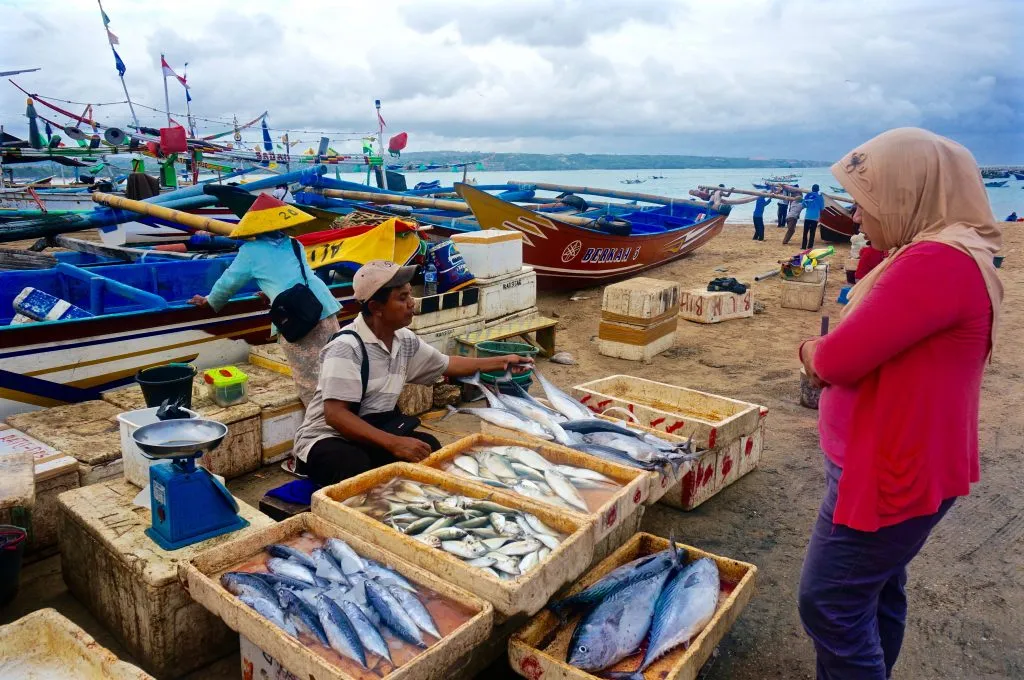
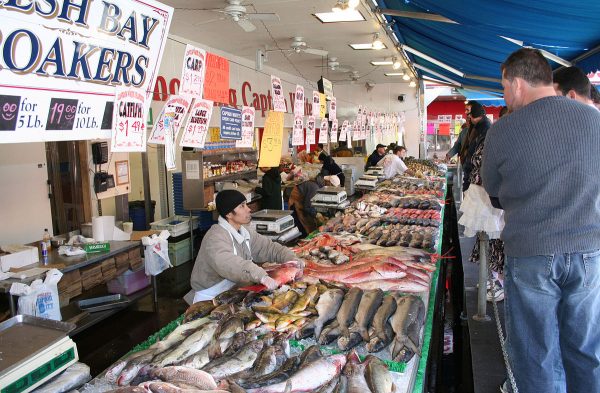
I can’t tell for sure what would be the best fishes to choose in your region owing to the numerous possibilities in every country. However, I would say try to avoid any frozen fish supplies, most of them are farm bred. Buy from your local wet market (Learn how to buy fresh fish), don’t be lazy, get up early in the morning and ask your relatives to find out who is the trusted fishmonger in the market to purchase the fresh-caught of the day. You too could keep your fish frozen up to a year in the fridge!
Questions
What are fatty, semi-fatty and lean fish?
Fatty fish have more than 10% fat, semi-fatty fish 5 to 10%, and lean fish less than 5%.
Which fish are high in omega-3?
Tuna, salmon, mackerel, herring, sardines and trout.
What toxins should I watch for in fish?
Mercury, PCBs and DDT. Avoid fish from polluted water and from poorly run fish farms.
Where should I buy fresh fish?
At the wet market, early in the morning. I prefer wild-caught fish and avoid frozen supplies.
Like my work? Support me by buying a pack of Truly Gourmet, the snack brand I founded. Shop Truly Gourmet →
Read next
Comments