
Sichuan Cuisine in-depth – History, Features & Characteristic
I have always thought that Sichuan dishes are only about spicy and oily until I begin traveling to China, only to surprise myself that Sichuan cuisine produces such intense and complex flavors that entirely renew my perspective about this cuisine. Back in the year of 2014, when I begin to work in China, I developed more understanding of China’s 8 major cuisines and henceforth embarked upon my journey to learn more in-depth about them. To begin with, here is an article dedicated to Sichuan Cuisine which I have compiled from numerous resources for my fellow readers!
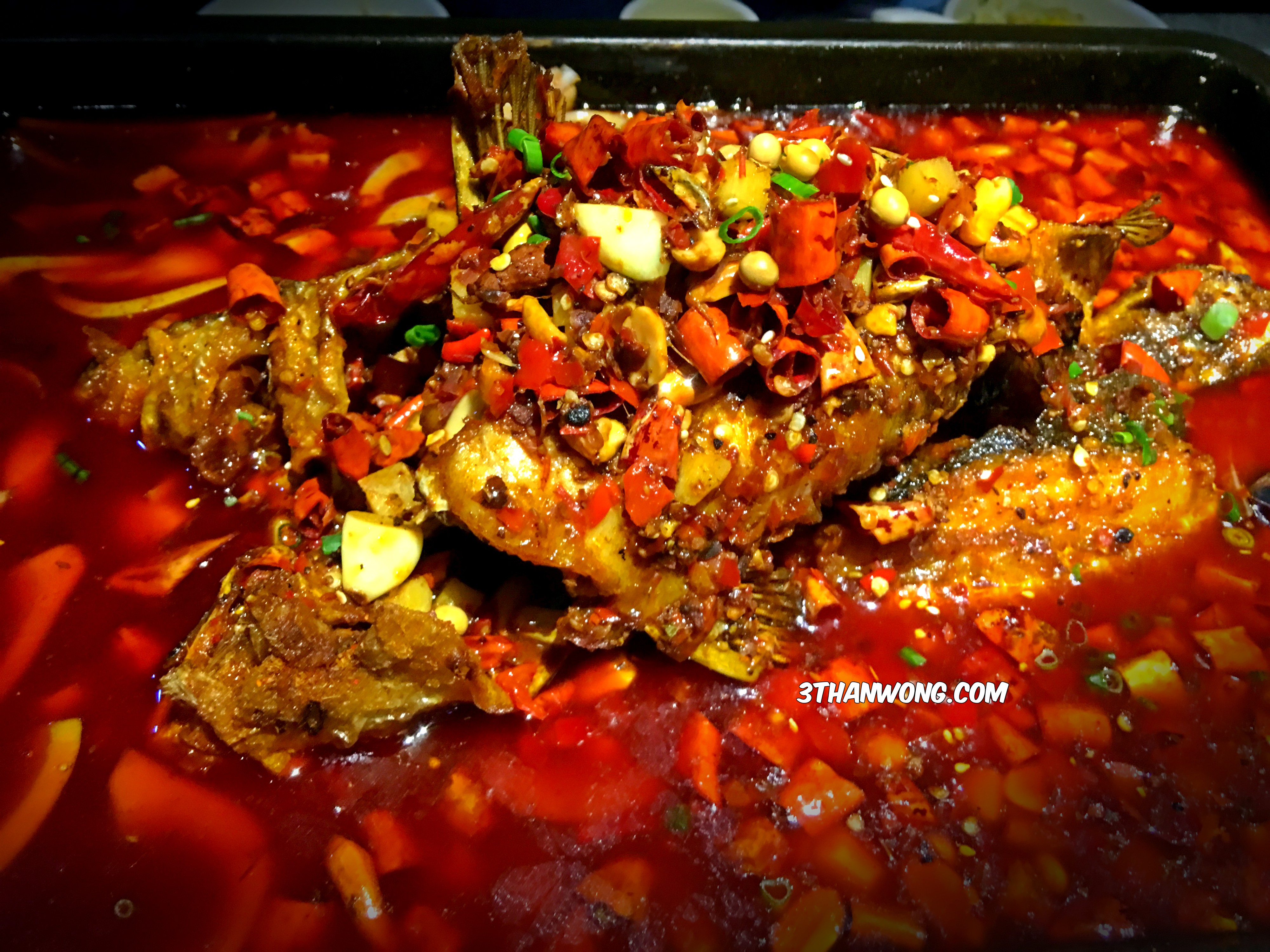
Sichuan Mala Grilled Fish at A Qiang Restaurant 阿强麻辣烤鱼
Sichuan Cuisine (四川菜) is originated from Sichuan Province, China. Alternatively known as Szechwan cuisine, Szechuan cuisine, or Chuan cuisine. Today’s Sichuan cuisine is well known for their numb, spicy, salty, pungent and sour. However, the early developing period of Sichuan cuisine is in total contrast which could be traced back to the period of the Qin Dynasty.
How it all begins…
During the Qin Era (220 BC), the local Sichuan folks cook similarly to the cooking of Chang’An. When the Shu Kingdom was captured, northern people traveled to the northern region of Sichuan province and begin influencing the flavors of Sichuan. 5 major flavors were developed. Uses of freshwater fish and goat were luxury ingredients during those days made only available to the royalties and elites. Following the period of the Three Kingdom, the citizens of the Shu kingdom (currently in Chengdu, Sichuan) loves sweet food, hence sweet flavors were developed. Then Jin Dynasty is when pungent flavors were greatly emphasized. Pungency during those days was an aromatic fragrance from ginger, onion, chives, and mustard. “Strange” flavor developed during the reign of the Song Dynasty, the famous Kung Pao Chicken was also created during the period of time by Ding Baozhen. Until the 16th – 17th century, chili peppers were brought over from South America and the usage of Sichuan Peppercorn begin to flourish. Due to the humidity in the region, chili peppers become their most favored ingredients, as it is believed that chili peppers could reduce the internal dampness of a person.
Characteristic & Features – What makes Sichuan Cuisine so special?
Sichuan cuisine, as we all know is famous for its hot and numbing dishes. The taste criteria are composed of 7 criteria – hot, salty, sweet, bitter, numb, sour, and aromatic. Usage of spices is common in Sichuan dishes which gives some of their dishes a distinctive complex flavor. In general, a typical Sichuan dish consists of compounded flavors. A skillful Sichuan chef is able to use the same sauce but produces differing flavors, a good example would be the Twice Cooked Pork (回锅肉) 和 Mapo Tofu (麻婆豆腐).
The most authentic Sichuan cuisine has to be indulged in the Sichuan province itself. Why? The secret lies within the salt – well salt from Zigong’s well. Even if the same cooking techniques, procedures, and chefs were applied elsewhere, the flavor would be different.
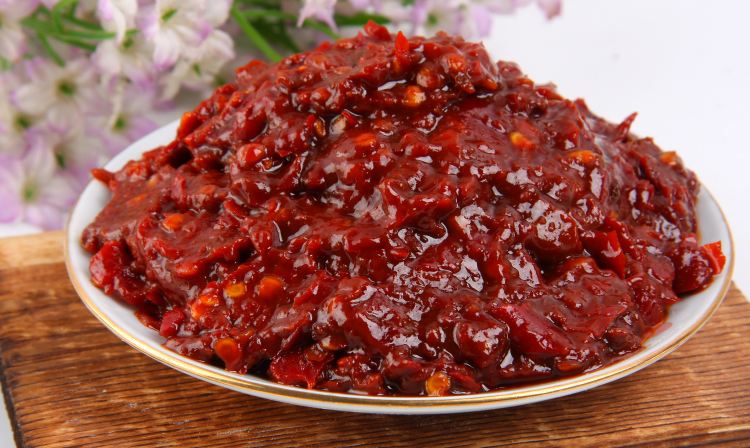
Source : gochengdu.cn
Drying, salting, and pickling are common preserving methods in Sichuan Cuisine. Some preserved food are served as condiments or as it is as one dish. Their most notable preserved food are broad-bean chili paste (dou ban sauce), Sichuan pickle, soy sauce, vinegar, fermented soybeans, pickled mustard, and chili sauce.
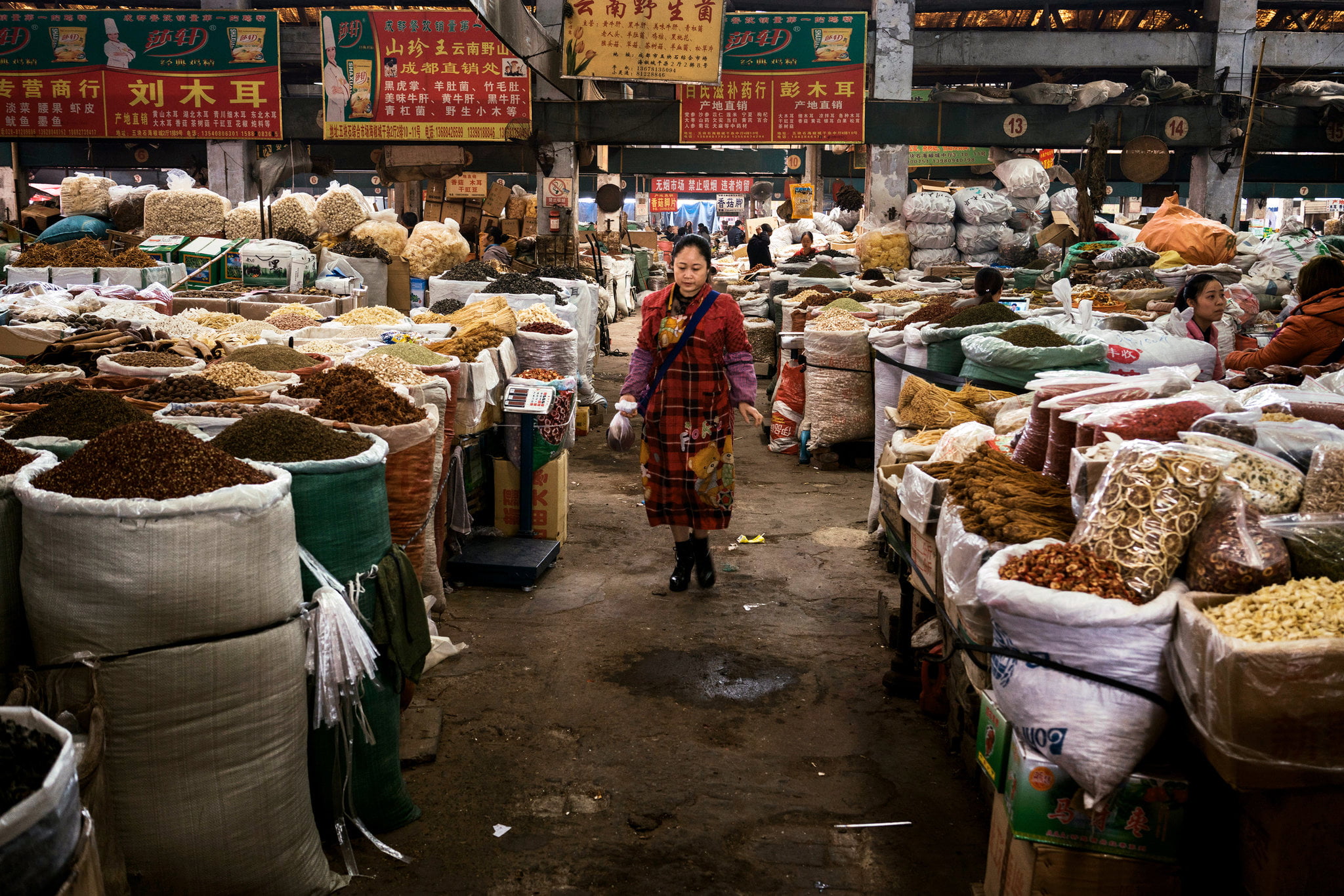
Source : nytimes.com
Sichuan peppercorn is the most important spice in a Sichuan cuisine, it delivers intense citrus-like flavor and a numbing sensation to our mouth. Others also commonly used spices are fennel, pepper, aniseed, cinnamon, and clove.
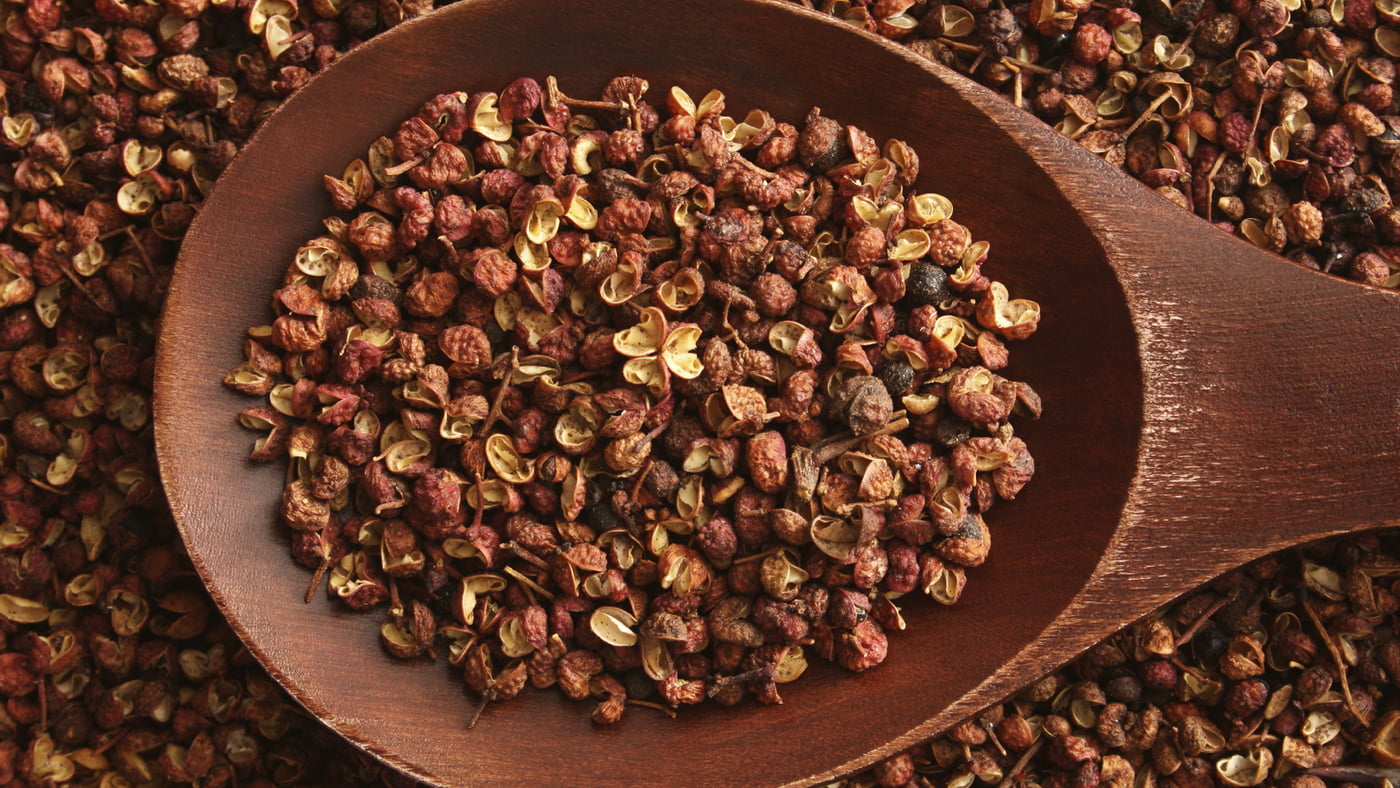
Sichuan Peppercorn (Source : npr.org)
Yuxiang, Mala, and Guaiwei
3 prominent flavorings are originated from Sichuan Cuisine, they are Yuxiang, Mala, and Guaiwei. Yuxiang literally means fish fragrance but it has no seafood at all. It was said that before this sauce got its name, this sauce was only used by a family to cook fish on a regular basis. Until one day, there was no fish in the house, however, the leftover sauce was used to cooked other dishes and they developed a liking to the sauce. Eventually, the news spread to the community, and hence it is called Yuxiang sauce. Mala sauce is a popular sauce in China – literally means spicy and numbing, consist of Sichuan peppercorn, chili pepper, and a mixture of spices simmered in oil. Guaiwei translated as a strange flavor. It is somewhat a combination of both Yuxiang 和 Mala with black vinegar, delivering a distinctive sour characteristic.
Sichuan Recipe
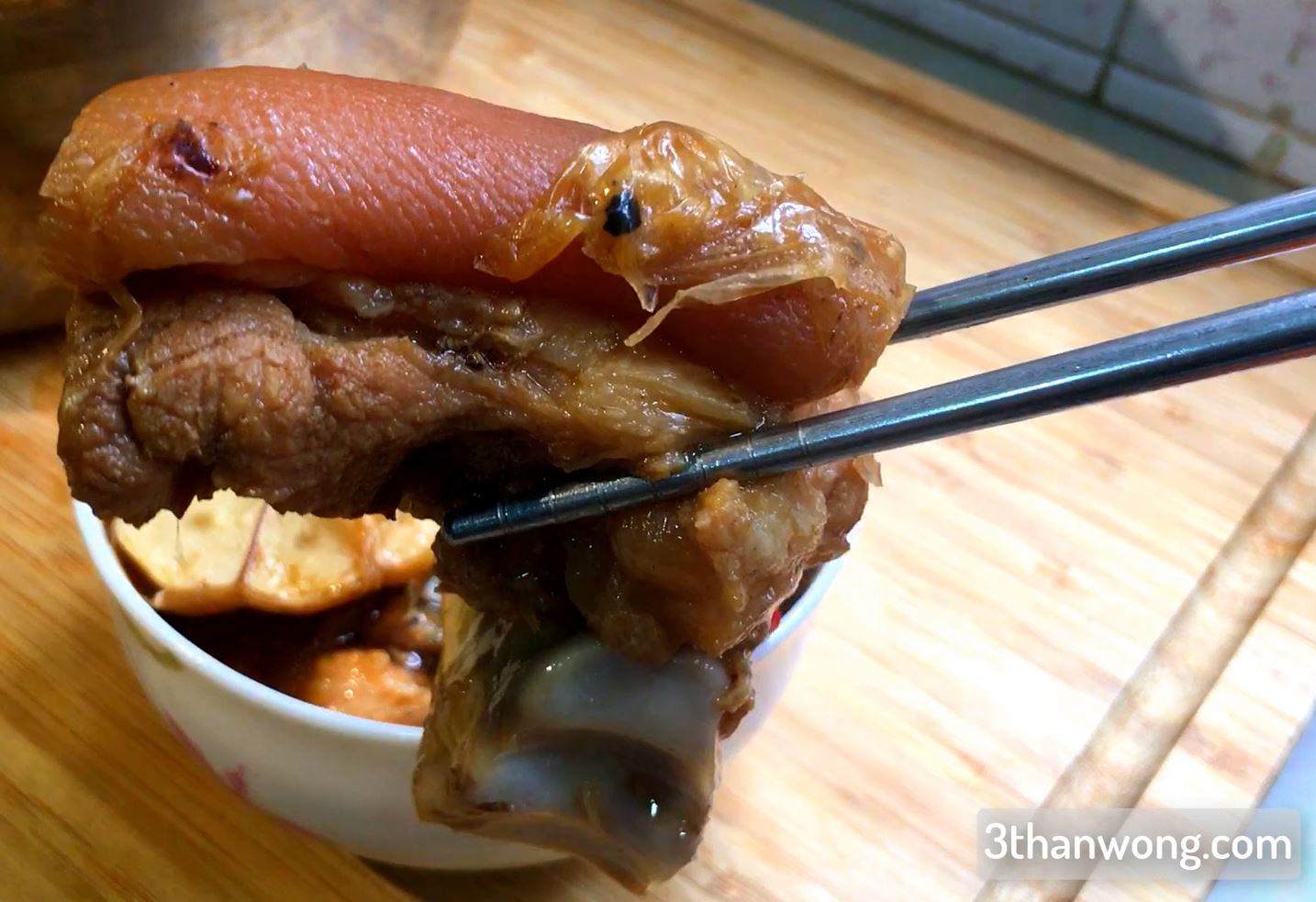
猪手食谱–红烧通宵猪手!
红烧猪手,看起来像是一道简单的菜。 红烧猪手的真正秘诀是将其保持一整夜!
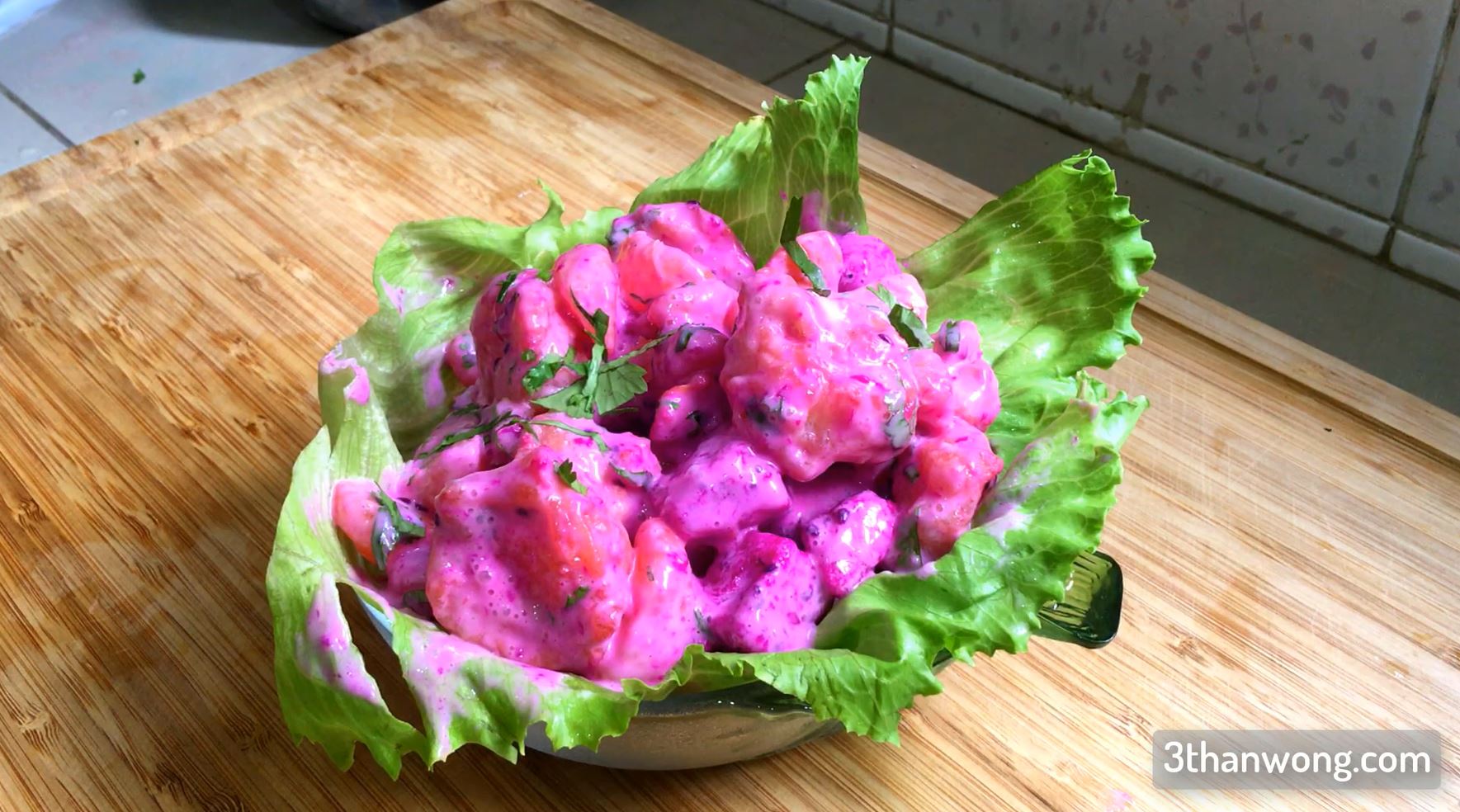
沙拉虾食谱快速简便的点心风格
色拉虾是常见的菜式之一,尤其是当我们参观点心的地方时,这就是我们如何炒作火红色的色拉虾食谱!
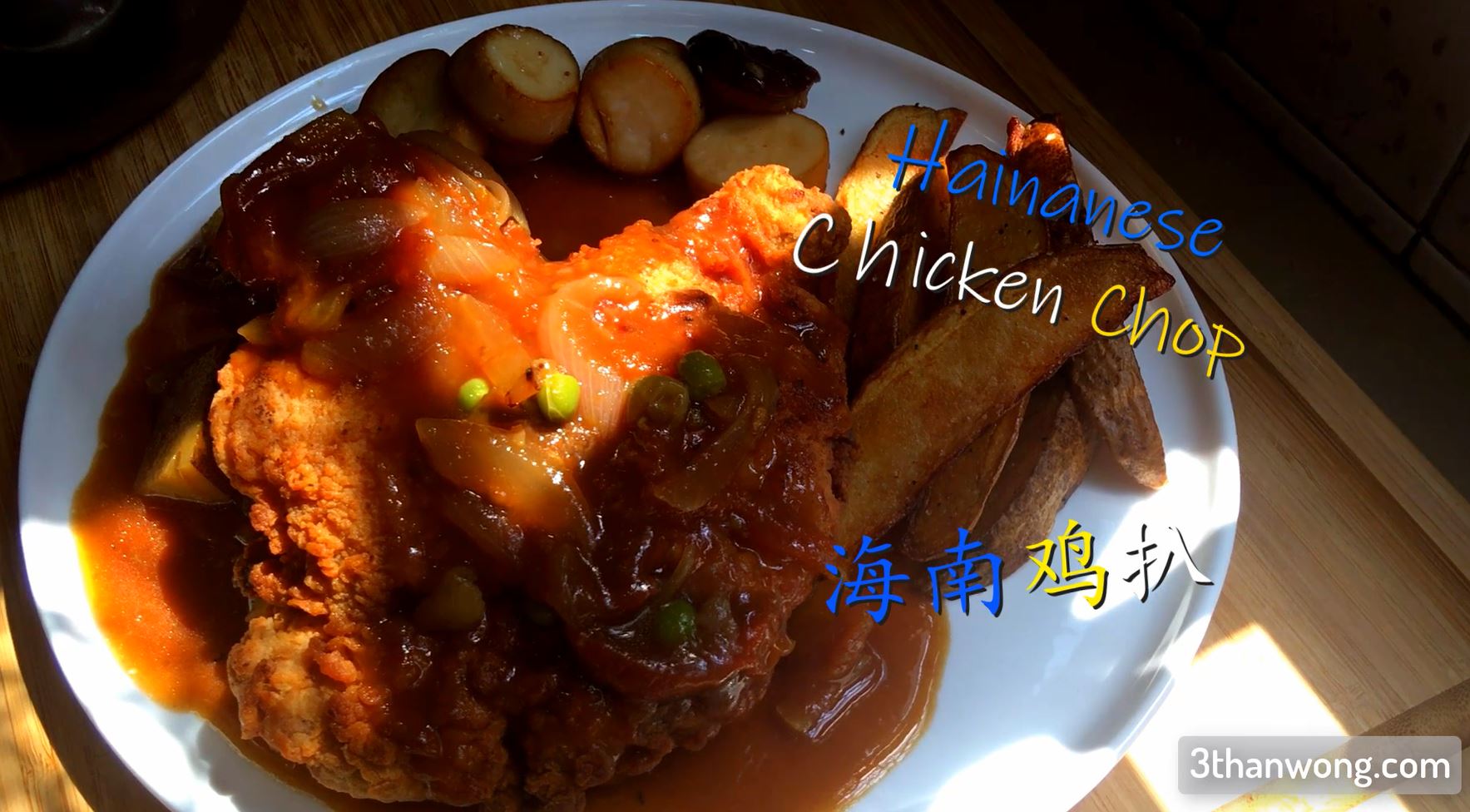
Hainanese Chicken Chop Recipe 海南鸡扒秘方
Though it is known as Hainanese Chicken Chop, this dish was created by Hainan people that migrated to Malaysia, hence the name Hainanese Chicken Chop.
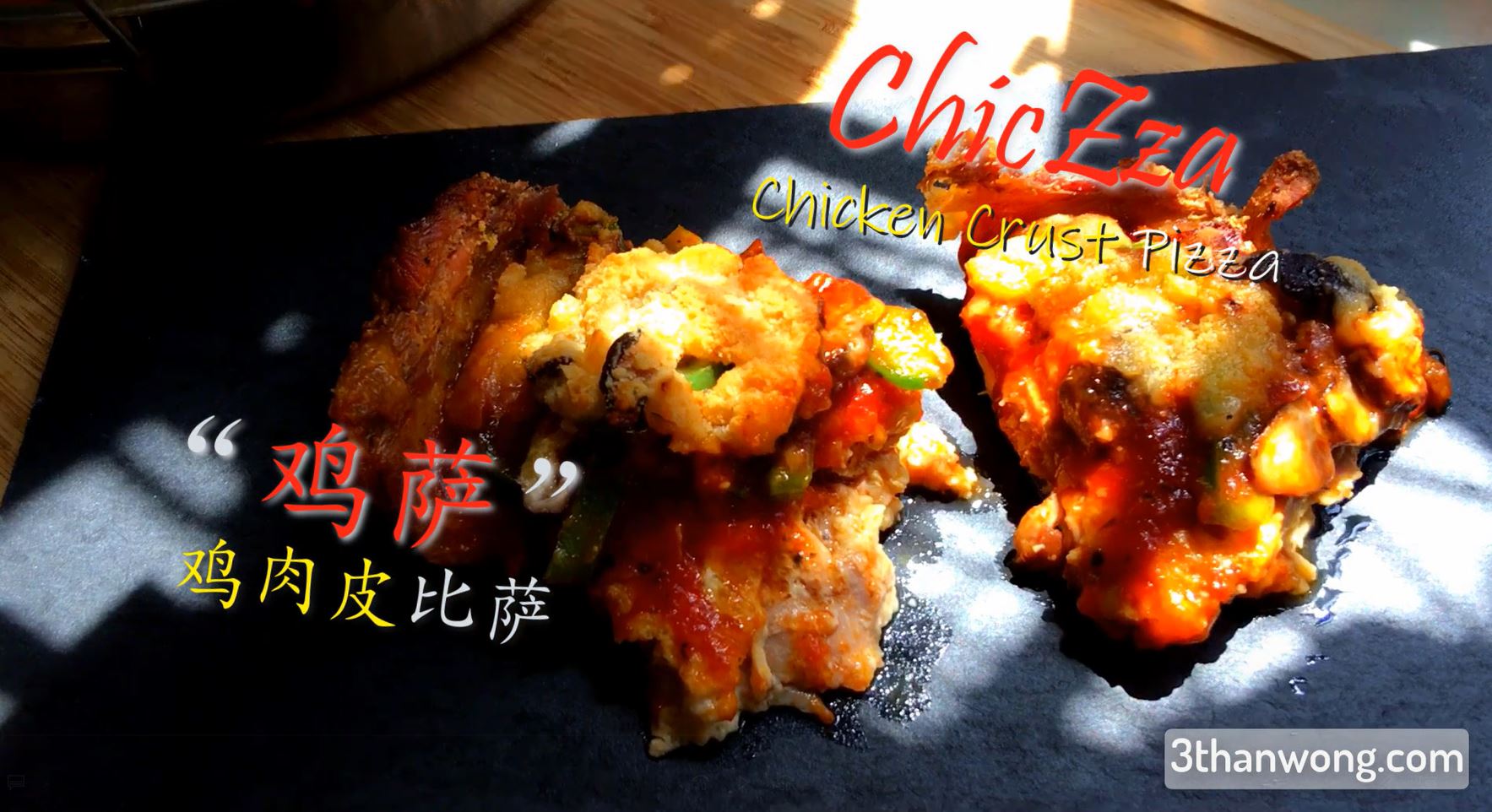
Chicken Pizza with Crust of Chicken Meat – ChizZa Recipe
I made this chicken pizza recipe with chicken meat as the crust! This would be the ultimate Chicken pizza for the meat lover, Keto Diet diners, come here!
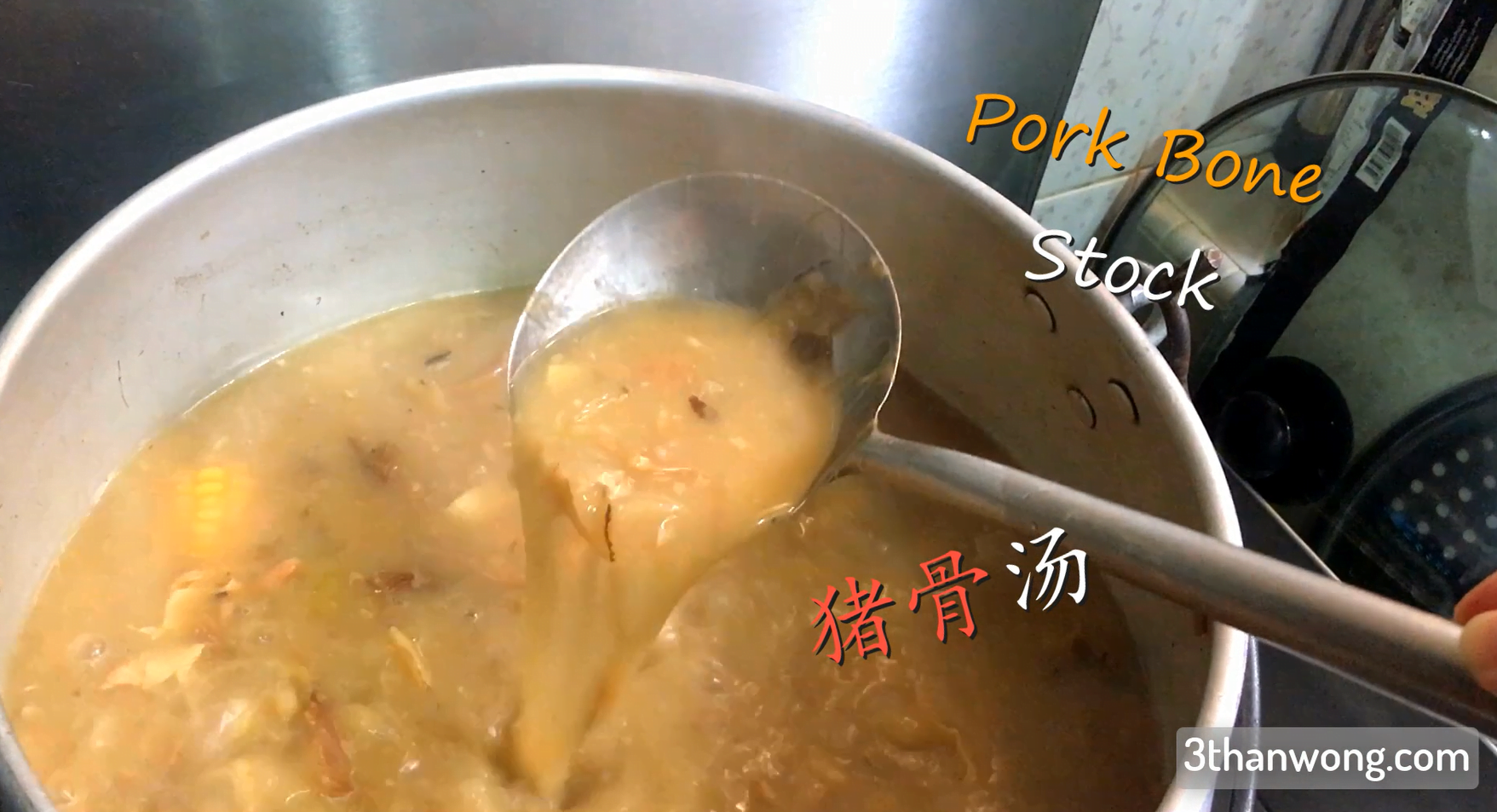
Pork Bone Broth – Chinese Pork Bone Soup Recipe
This pork bone soup was done unintentionally, It is more of a fusion broth. I present to you a thick, creamy, and gelatinous pork bone recipe broth!
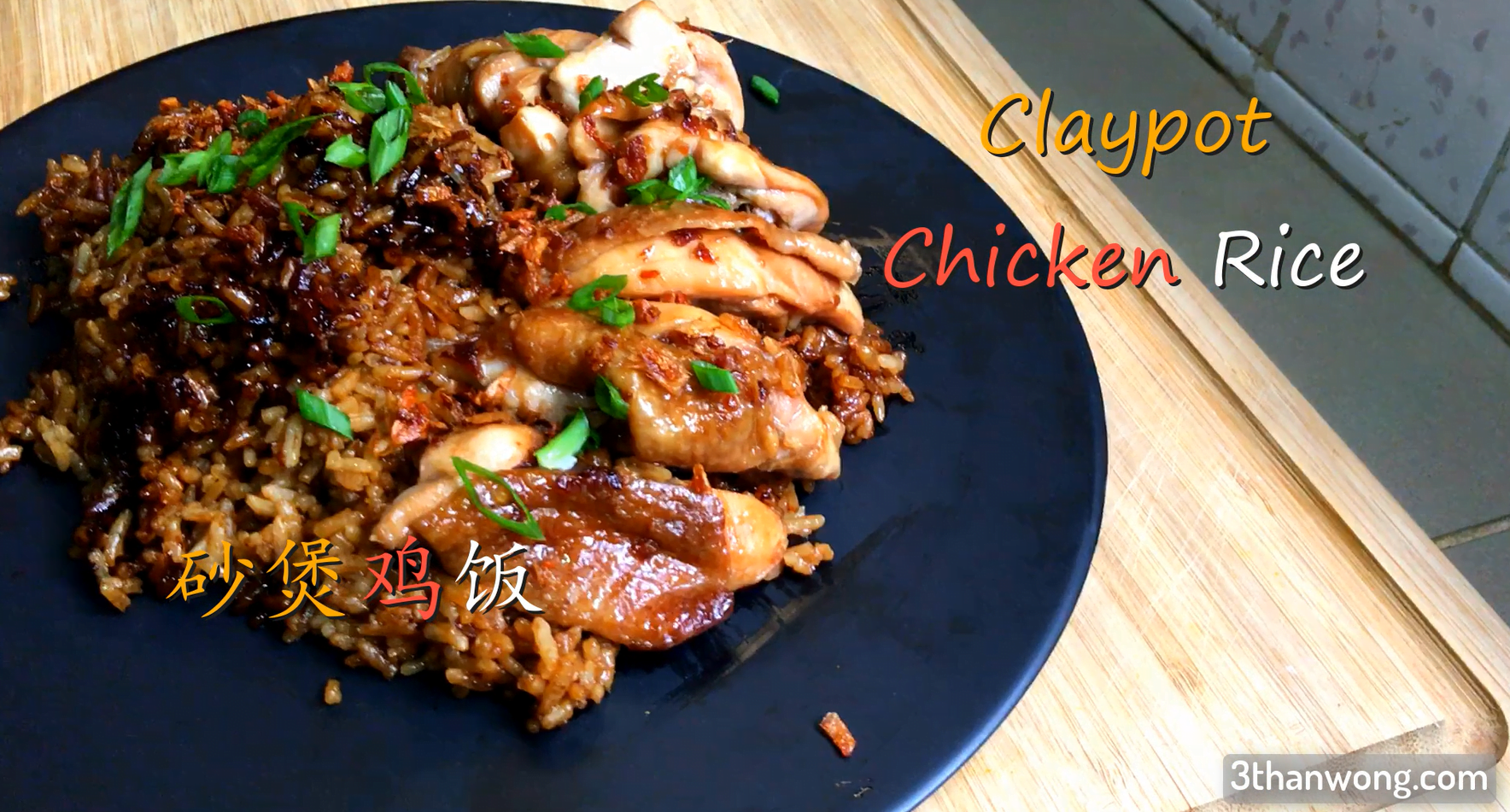
Claypot Chicken Rice – A Rice Cooker Recipe
Claypot Chicken Rice without a claypot? The answer is yes, you can use your rice cooker to mimic the process of claypot chicken rice with a rice cooker


0条评论