Zha Jiang Mian: Beijing Fried Sauce Noodles
Quick answerZha jiang mian means fried sauce noodles: diced meat fried with garlic, fermented soybean paste (taucu) and hoisin sauce, then simmered with a little water into a thick sauce and spooned over noodles. It was made famous in Beijing but began in Shandong. Also written zhajiangmian or zhajiang noodles (炸酱面, "fried sauce noodles").
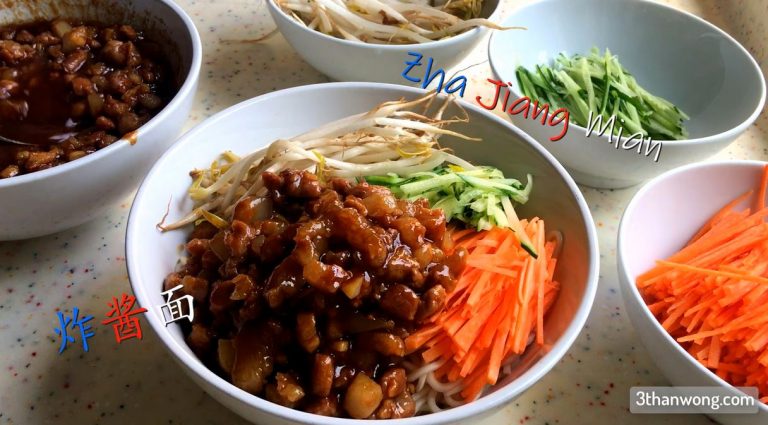
Zha Jiang Mian also is known as ” fried sauce noodles” is a Chinese noodle dish with soybean paste as the main flavors. Zha Jiang sauce is made with minced beef, fermented bean paste and aromatic spices.
Do you know? Beijing Zha Jiang Mian is not originated from Beijing
Although Zha Jiang Mian is made famous in Beijing, it is actually originated from Shan Dong province. It was said that during the Qing dynasty, one Imperial Eunuch smell a pleasant aroma, and he followed the smell and found this noodle. The chef of the noodle restaurant was brought back to the palace in Beijing and thus Zha Jiang Mian rose to frame in Beijing.
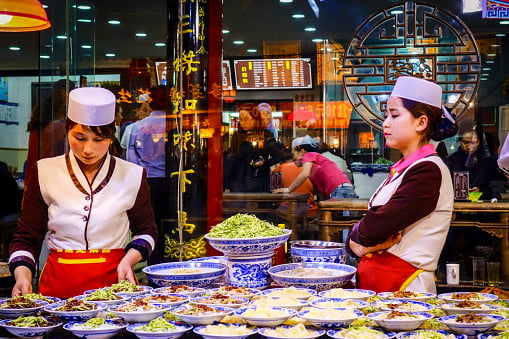
Zha Jiang Mian Variation
Zha Jiang Mian evolves alongside local culture, in China as well as overseas, there is difference flavor profile of Zha Jiang Mian for;
- Shandong – sweet bean sauce (Tian Mian Sauce),
- Beijing – Yellow Soybean Paste,
- Tianjin – Bean Paste,
- Guangdong – Hoisin Sauce,
- Sichuan – Dou Ban Sauce,
- Northeast China (Liaoning and Jilin) – doenjang (influences of Korean – Chinese),
- Hong Kong – Ketchup,
- Buddhist – substituting meats with tofu, edamame, or eggplant,
- Islamic – ground beef of lamb,
- South Korea – evolved into Jajangmyeon,
- Japan – evolved into Jajamen.
Combining North and South Flavor
As I did my research into this Zha Jiang Mian, bean paste is the main ingredient for the Northern China flavor profile, and I loved both soybean paste and hoisin sauce, both are salty and flavorful. Why not combine both, right? So I went ahead and fuse these two and the outcome is simply amazing!
Author have a say…
Zhajiang Mian, literally translated as “fried sauce noodles” rose to frame from Beijing. If you ever visited Beijing, you will definitely see this noodle dish almost everywhere on the streets. Zhajiang sauce is made usually with minced beef and salty fermented soybean paste. It is literally one of the best comfort food in Beijing!
Source : Wiki
The recipe
Zha Jiang Mian: Beijing Fried Sauce Noodles
Zhajiang Mian, literally translated as “ fried sauce noodles” rose to frame from Beijing. If you ever visited Beijing, you will definitely see this noodle dish almost everywhere on the streets. Zhajiang sauce is made usually with minced beef and salty fermented soybean paste. It is literally one of the best comfort food in Beijing!
- Prep
- 15 min
- Cook
- 20 min
- Total
- 35 min
- Course
- Breakfast, Main Course
- Cuisine
- Chinese
- Keywords
- beijing fried sauce noodle, dry noodle, korean zha jiang, noodle, zha jiang mian
Ingredients
Instructions
Loosen the minced beef so it fries evenly.
Preheat the pan with cooking oil and add the minced beef.
Fry the beef until it browns, then add in chopped garlic.
Thoroughly stir fry to cook away the rawness of the garlic.
Then add hoisin sauce and fermented bean paste and thoroughly stir fry to mix.
Then add water.
Bring to a boil then reduce until slightly thickens.
Remove Zhajiang Sauce from pan into a container.
Watch how it's made
Notes
Serving Suggestion
- Wheat Noodles
- Julienne Carrot
- Julienne Cucumber
- Beansprout
- Edamame (Optional)
Nutrition per serving
- Calories
- 1012 kcal
- Carbohydrates
- 14 g
- Protein
- 17 g
- Fat
- 98 g
- Saturated fat
- 33 g
- Cholesterol
- 120 mg
- Sodium
- 230 mg
- Fibre
- 1 g
- Sugar
- 11 g
Estimates only.
Questions
What does zha jiang mian mean?
"Fried sauce noodles": wheat noodles with a sauce of ground meat fried with fermented soybean paste.
Where is it from?
It started in Shandong and became famous in Beijing, where a Qing palace story brought the noodle chef to the capital.
Is the sauce the same everywhere?
No. Shandong uses sweet bean sauce, Beijing yellow soybean paste, Guangdong hoisin, Sichuan dou ban and Hong Kong ketchup. Korea's jajangmyeon and Japan's jajamen grew from it.
What do you serve with it?
Wheat noodles with julienned carrot and cucumber, beansprouts and, if you like, edamame.
Like my work? Support me by buying a pack of Truly Gourmet, the snack brand I founded. Shop Truly Gourmet →
More recipes

Comments